


How to Spot Signs of Heatstroke in Dogs and Cats
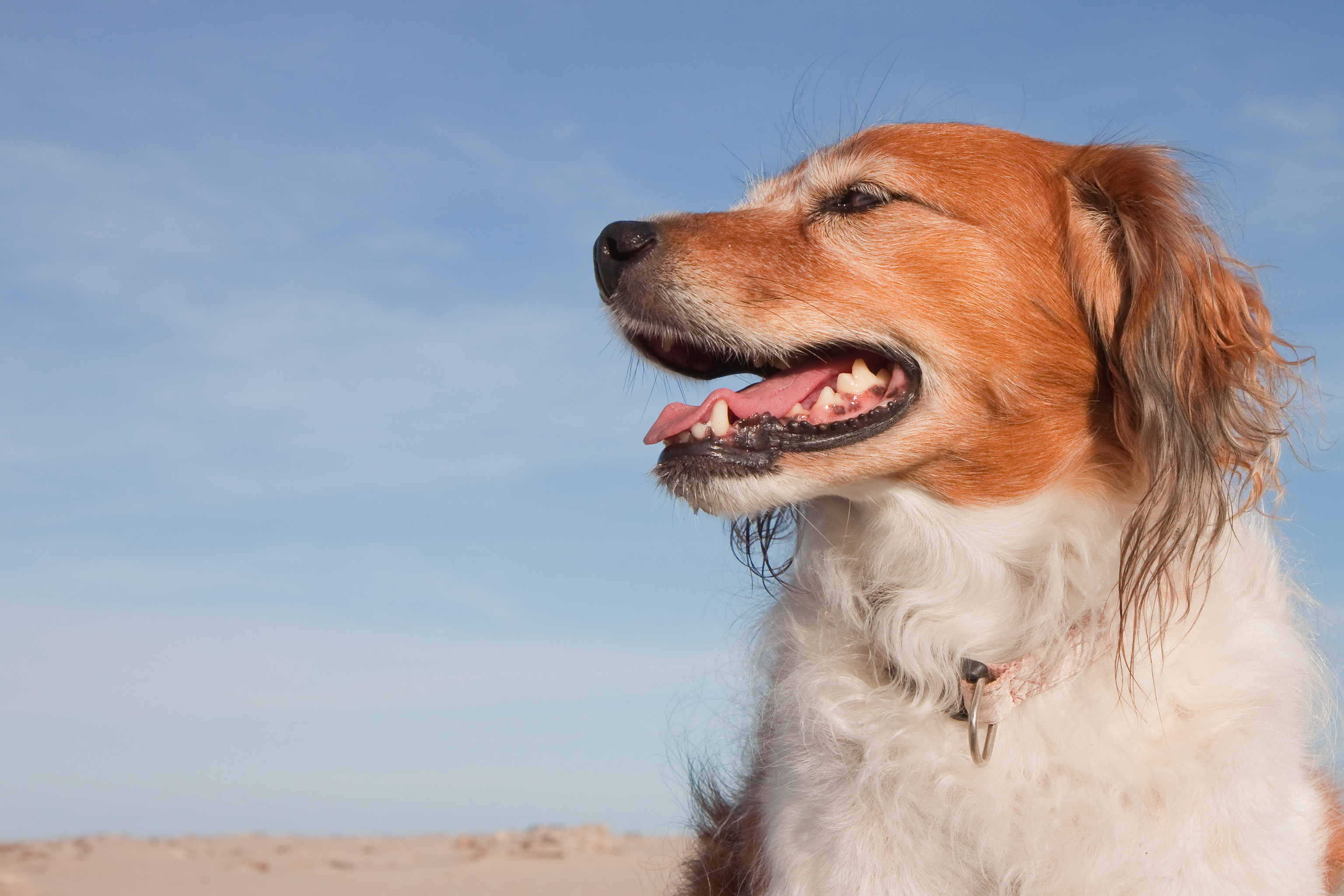
Heatstroke in dogs and cats can develop quickly and become life-threatening. Pets cannot cool themselves the same way people do, so high temperatures, poor ventilation, intense exercise, or being left in a hot space can cause the body to overheat fast. Once body temperature rises too high, it can affect breathing, circulation, the brain, and internal organs. Recognizing the signs of heatstroke early can help pet owners act quickly and get emergency care before the condition becomes more severe.
Early Signs Pet Owners Should Not Ignore
The first signs of heatstroke are often easy to miss. A dog may seem unusually tired after being outside, or a cat may hide and appear distressed. As overheating progresses, symptoms usually become more obvious.
Watch for signs such as:
- Heavy panting or rapid breathing
- Excessive drooling
- Bright red or very pale gums
- Weakness or trouble standing
- Vomiting or diarrhea
- Restlessness or confusion
- Collapse or unresponsiveness
These symptoms can worsen quickly, especially during Texas heat, so any concern should be taken seriously.
How Heatstroke Looks Different in Dogs and Cats
Dogs are more likely to show obvious signs like heavy panting, thick drool, and extreme fatigue. Flat-faced breeds, senior pets, overweight pets, and dogs with heart or breathing issues may be at even greater risk.
Cats can be harder to read. They may pant less often than dogs, which means heatstroke in cats can be overlooked until it becomes critical. A cat that is lethargic, breathing rapidly, vomiting, or stumbling may need emergency attention right away.
What to Do if You Suspect Heatstroke
If you think your pet may be overheating, move them to a cooler area immediately. Offer small amounts of water and use cool - not ice-cold - water on the body, especially the paws, belly, and fur. A fan may also help lower body temperature gradually.
Do not delay care to monitor symptoms at home. Heatstroke can continue causing internal damage even after a pet seems calmer. Prompt veterinary evaluation is important to assess temperature, hydration, breathing, and organ function.
When Emergency Care Is Needed
A pet showing severe panting, collapse, vomiting, weakness, confusion, or trouble breathing should be seen by an emergency veterinarian as soon as possible. Heatstroke is not something to wait out. Rapid treatment may include oxygen support, IV fluids, temperature monitoring, and other critical care measures based on your pet’s condition. The sooner treatment begins, the better the chance of reducing serious complications.
Prevention Starts With Awareness
Prevention is always better than emergency treatment. Pets should have access to shade, fresh water, and cool indoor spaces during hot weather. Walks and outdoor activity should be limited during the hottest parts of the day. Cars, garages, and enclosed spaces can become dangerous very quickly, even when temperatures do not seem extreme.
If your pet is showing signs of heatstroke, contact East Texas Pet Emergency Clinic for emergency vet care. Visit our office in Longview, Texas, or call (903) 759-8545 for further guidance.


Hours
- Monday12:00am - 7:00am
6:00pm - 7:00am - Tuesday6:00pm - 7:00am
- Wednesday6:00pm - 7:00am
- Thursday6:00pm - 7:00am
- Friday6:00pm - 12:00am
- SaturdayOpen 24 Hours
- SundayOpen 24 Hours

Powered by: 